- How Much Land Does China Own in the USA?
- The Current Landscape of Foreign Land Ownership in the USA
- How Chinese Land Ownership Works in the USA
- Key Areas of Chinese Land Investments
- Regulations Governing Foreign Land Ownership
- The Impact of Chinese Land Ownership in the USA
- Potential Risks and Concerns
- The Response of US Authorities
- The Future of Chinese Land Ownership in the USA
- Comparisons with Other Foreign Ownership
- Conclusion: Navigating Complex Ownership Dynamics
- Frequently Asked Questions (FAQ)
How Much Land Does China Own in the USA?
The topic of foreign land ownership in the United States remains a subject of intense debate and scrutiny. Among the countries with significant land holdings in America, China often emerges as a focal point of discussion. How much land does China own in the US? What are the implications of such ownership? This article delves into the extent of Chinese land ownership, its impact, and the regulations surrounding it.
The Current Landscape of Foreign Land Ownership in the USA
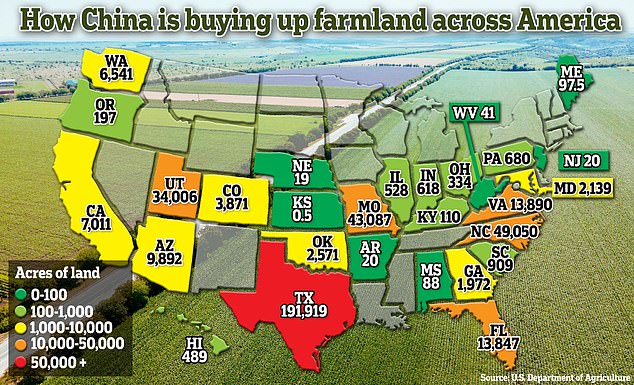
Foreign entities own a noteworthy portion of land in the USA, and Chinese investors are part of this mix. The exact evaluation of ownership is complex due to varied forms of investments and constantly changing ownership data. However, reports indicate that as of recent years, Chinese entities own hundreds of thousands of acres across the US.
How Chinese Land Ownership Works in the USA
Chinese investors typically purchase land through direct investment, partnerships with American companies, or through shell companies. These investments span various sectors, including agriculture, technology, and real estate. The U.S. Department of Agriculture (USDA) keeps track of foreign-owned agricultural land, reporting that Chinese ownership is a small but significant segment.
Key Areas of Chinese Land Investments
Chinese land investments in the USA are concentrated in several key areas:
- Agriculture: Chinese firms have invested in agricultural land due to the US’s rich resources and advanced farming technologies.
- Real Estate: Urban centers and coastal regions see substantial investments in commercial and residential properties.
- Technology and Manufacturing Hubs: Proximity to innovation and production facilities make these areas attractive to Chinese investors.
Regulations Governing Foreign Land Ownership
The ownership of land by foreign entities in the US is subject to federal, state, and local regulations. The Agricultural Foreign Investment Disclosure Act (AFIDA) requires foreign owners to report their agricultural land holdings. At the state level, laws can vary widely, with some states imposing stricter limits on foreign ownership.
The Impact of Chinese Land Ownership in the USA
The presence of Chinese-owned land in the US influences economic, political, and security dynamics. Economically, it contributes to market liquidity and the infusion of foreign capital. However, it also raises concerns over national security, food security, and the potential export of US technological advances.
Potential Risks and Concerns
Several risks are associated with foreign ownership of American land:
- National Security: The proximity of foreign-owned properties to military bases or critical infrastructure can pose security risks.
- Food Security: Foreign control over agricultural output can affect food supply and pricing.
- Economic Influence: Large-scale ownership can give foreign entities undue influence in local economies.
The Response of US Authorities
US authorities actively monitor and address the implications of foreign land ownership. There is increased scrutiny from Congress and regulatory bodies to balance economic benefits with national security. The Committee on Foreign Investment in the United States (CFIUS) often reviews these investments for potential security risks.
The Future of Chinese Land Ownership in the USA
As global economic trends evolve, the future of Chinese land ownership in the US will likely be shaped by bilateral relations, domestic regulations, and international economic policies. While Chinese investments contribute to the economy, ongoing regulations and political dynamics will shape the landscape ahead.
Comparisons with Other Foreign Ownership
| Country | Estimated Acres Owned | Main Investment Areas |
|---|---|---|
| China | Hundreds of thousands | Agriculture, Real Estate, Technology |
| Canada | Millions | Agriculture, Energy |
| UK | Hundreds of thousands | Real Estate, Media |
Conclusion: Navigating Complex Ownership Dynamics
Understanding the extent of Chinese land ownership in the USA requires a nuanced perspective. While offering certain economic benefits, it also raises several strategic questions that need careful examination by policymakers. Future ownership trends will be closely watched and managed through the lens of economic and national security priorities.
Frequently Asked Questions (FAQ)
- How much land does China own in the US? Estimates suggest that Chinese entities own hundreds of thousands of acres in the US, primarily in agriculture, real estate, and technology sectors.
- Why do Chinese investors buy land in the US? Chinese investors are attracted to the US for its stable economy, advanced technology sectors, and abundant agricultural resources.
- Is Chinese land ownership in the US legal? Yes, foreign ownership is legal but subject to federal and state regulations to ensure national security and economic stability.
- What are the concerns regarding Chinese land ownership? Concerns include national security risks, economic influence, and control over critical resources like food supply.
- How is Chinese land ownership monitored in the US? The USDA and CFIUS are among the bodies that track and review foreign land ownership for compliance with regulations.